
Category: Operational Intelligence
-
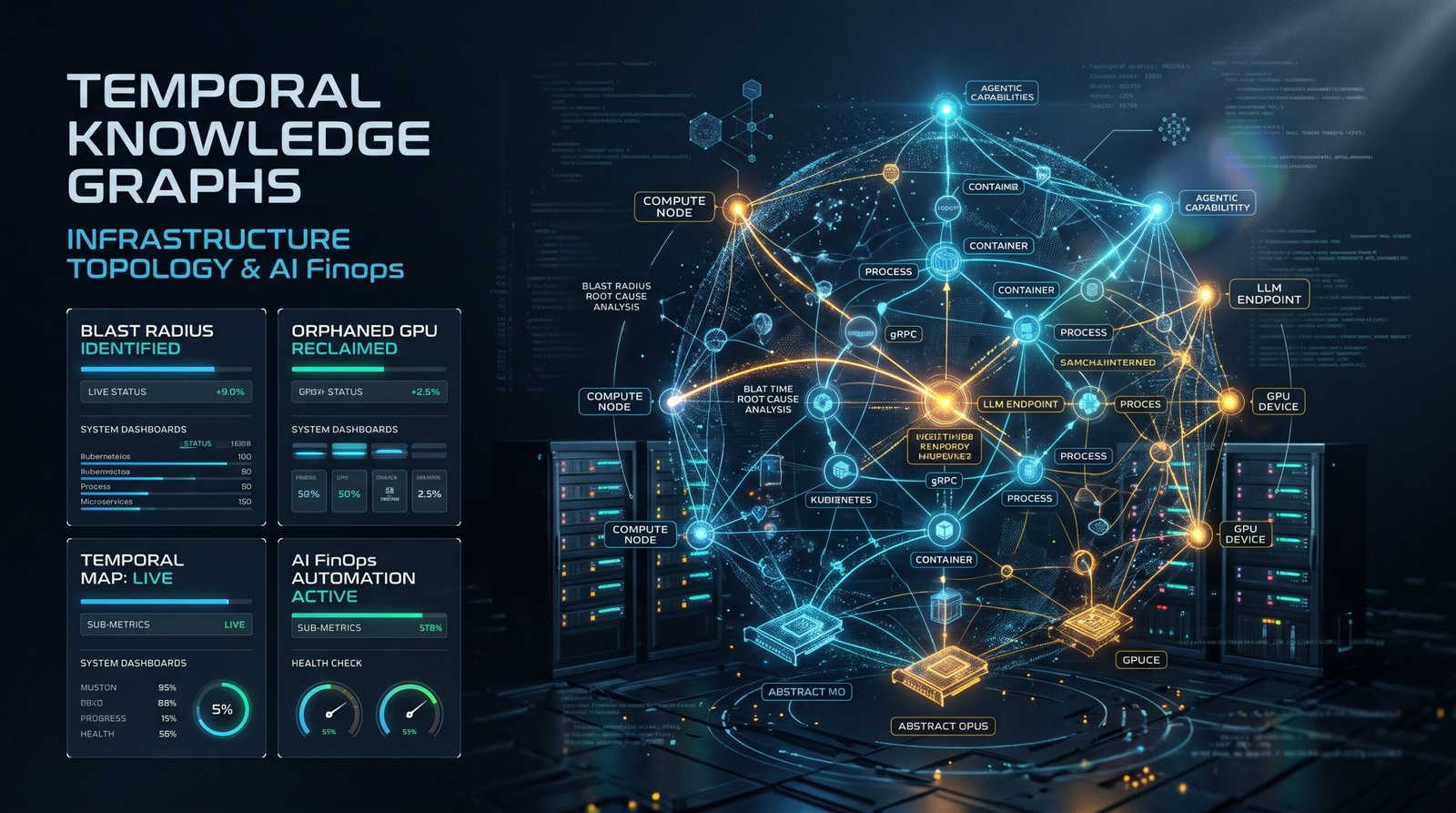
Knowledge Graph Infrastructure Topology & AI FinOps
Temporal Knowledge Graphs for Infrastructure Topology: Compressing MTTR and Reclaiming Orphaned GPU Spend The modern enterprise AI ecosystem is a chaotic, hyper-dimensional web of ephemeral dependencies. As organizations scale from monolithic machine learning pipelines to distributed, multi-agent microservice architectures, the sheer volume of transient connections—Kubernetes pods spinning up for sub-second inference, dynamic vector database shards,…
-
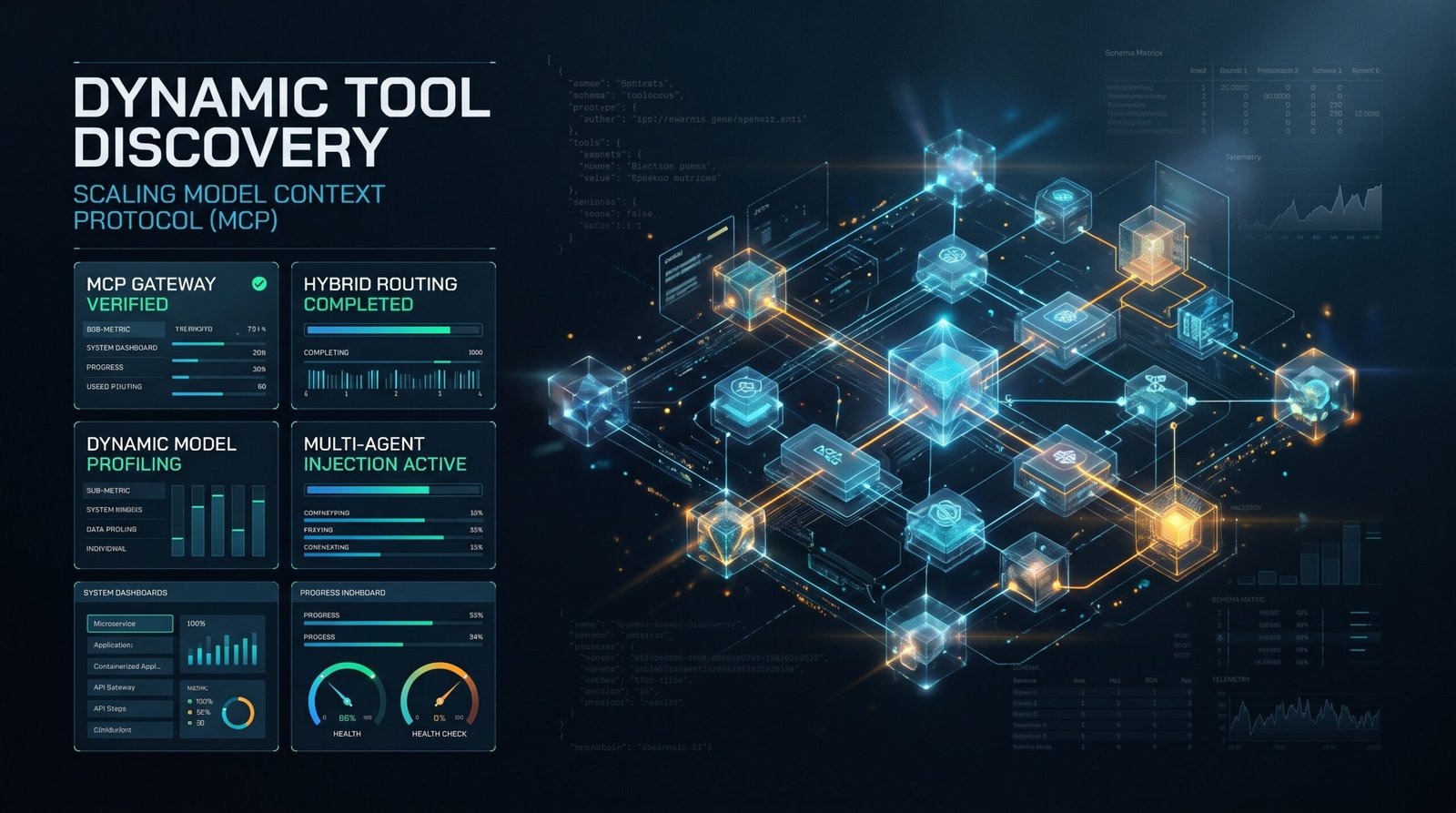
Dynamic Tool Discovery & MCP in Multi-Agent AI Systems
Dynamic Tool Discovery in Multi-Agent Systems: Scaling Model Context Protocol (MCP) Without Context Bloat The enterprise transition from isolated, single-prompt generative AI chatbots to fully autonomous, multi-agent workflows represents a fundamental architectural paradigm shift. In a single-agent system, the AI relies on a static, pre-defined set of instructions and a narrow array of integrations. However,…
-
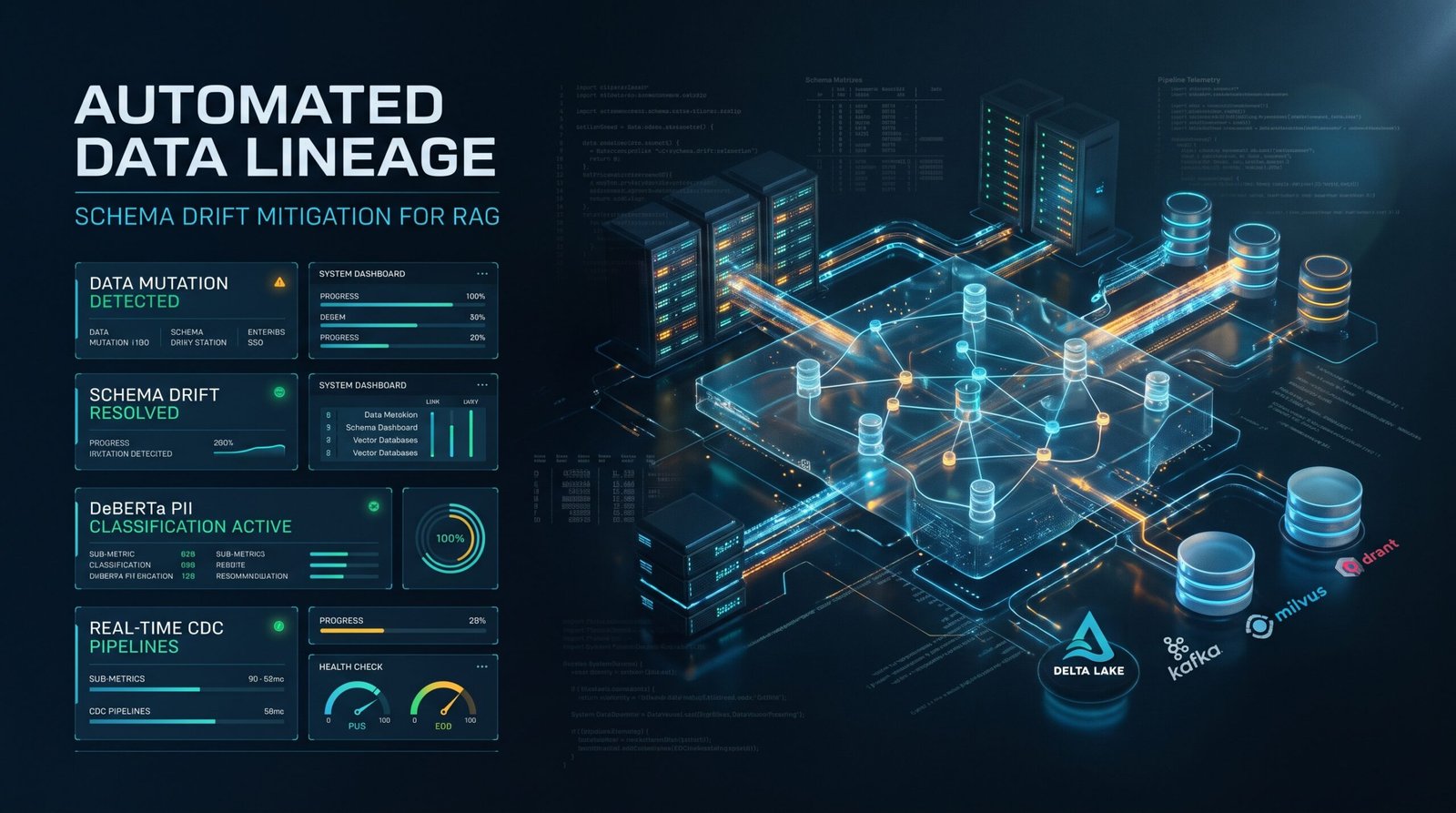
Automated Data Lineage & Schema Drift Mitigation for RAG
Self-Healing RAG Pipelines: Automated Data Lineage, Dark Data Indexing, and Schema Drift Mitigation The operationalization of Retrieval-Augmented Generation (RAG) at an enterprise scale is fundamentally a data engineering challenge masquerading as an artificial intelligence initiative. Data Architects and MLOps Engineers rapidly discover that while prototyping a RAG application against a static repository of PDF documents…
-
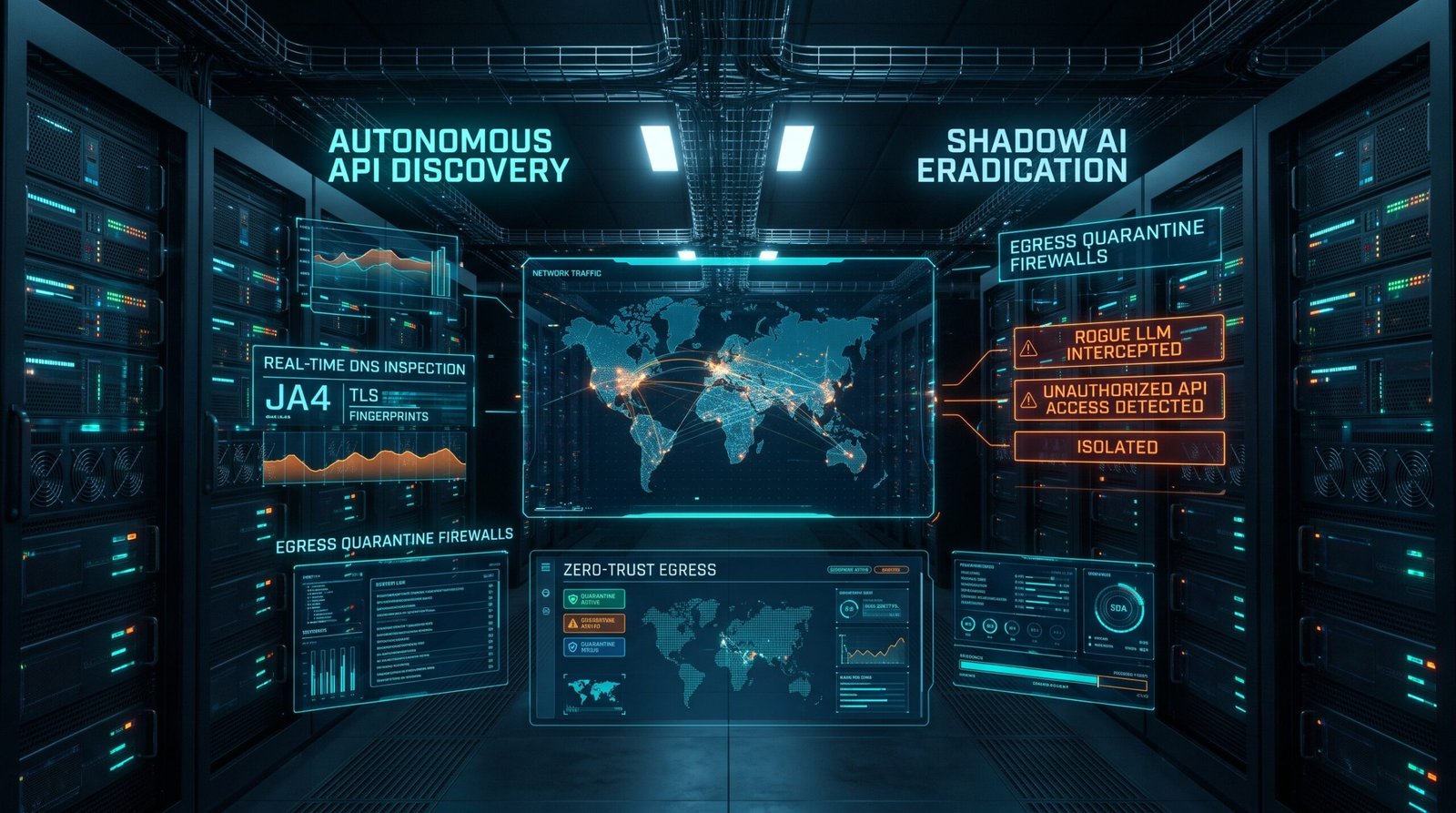
Shadow AI Detection & Autonomous API Discovery Architecture
Eradicating Shadow AI: Autonomous API Discovery and Zero-Trust Egress Quarantine The decentralization of artificial intelligence development has introduced a severe architectural vulnerability into the modern enterprise: shadow AI. While executive boards mandate accelerated generative AI integration, engineering teams, data scientists, and individual business units bypass centralized API gateways to spin up unmonitored LLM endpoints, unauthorized…
-

Zero-Instrumentation eBPF Observability for AI Workloads
Zero-Instrumentation eBPF Observability: Mapping Ephemeral AI Workloads Without Agent Overhead In distributed machine learning and high-throughput generative AI clusters, the observability layer itself has become a primary threat to infrastructure stability. When Principal Systems Engineers and Site Reliability Engineering (SRE) teams deploy traditional Application Performance Monitoring (APM) sidecars across thousands of ephemeral Kubernetes GPU pods,…
-
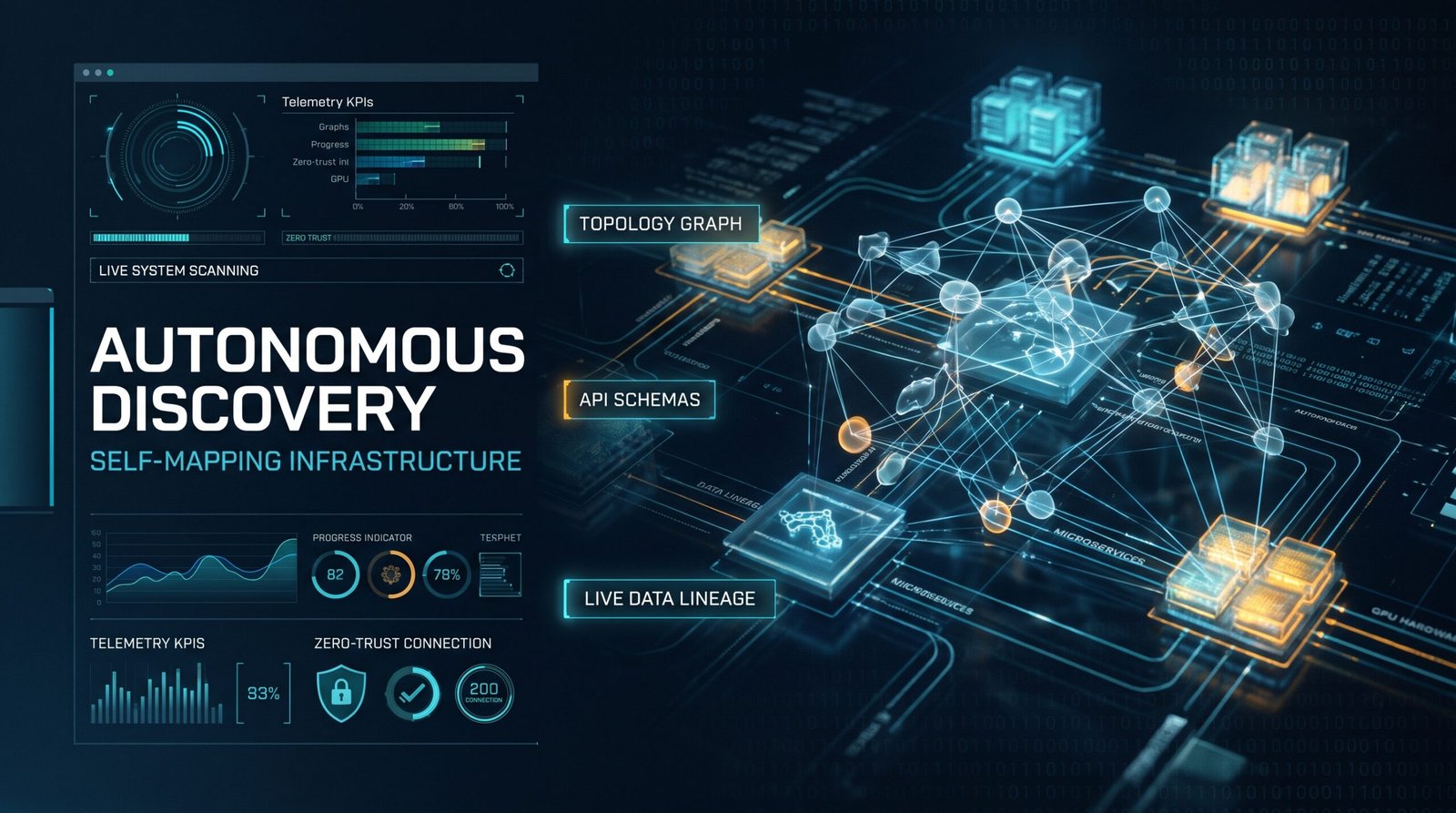
Autonomous Discovery: Architecting Self-Mapping Enterprise AI
Autonomous Discovery in the Enterprise: Architecting Self-Mapping AI Infrastructure, Telemetry, and Multi-Agent Topologies The operationalization of artificial intelligence at enterprise scale is no longer constrained by foundational model capability; it is bottlenecked by environmental blind spots. As organizations transition from isolated generative AI pilots to distributed, multi-agent production systems, static configuration management and manual dependency…
-

AWS Bedrock Redefines Enterprise RAG: Agentic Retrieval with Built-in 7-Layer Observability Transforms AI Operations
AWS Bedrock Redefines Enterprise RAG: Agentic Retrieval with Built-in 7-Layer Observability Transforms AI Operations Key Enterprise Leader Takeaways Agentic Evolution: Amazon Bedrock now supports true agentic retrieval, enabling AI to reason, route across multiple knowledge bases, and iteratively refine answers, moving beyond single-shot RAG limitations. Managed Simplicity: Managed Knowledge Bases abstract away vector store infrastructure,…
-

Enterprise AI Shockwave: Simple LLM Harnesses Decimate Complex Agent Performance in Root Cause Analysis, Delivering 4x Accuracy Gains
Enterprise AI Shockwave: Simple LLM Harnesses Decimate Complex Agent Performance in Root Cause Analysis, Delivering 4x Accuracy Gains Key Enterprise Leader Takeaways Paradigm Shift: Simple LLM harnesses (e.g., single-call, SQL agent) achieve 65-77% accuracy in microservice RCA, dramatically outperforming complex, hand-crafted agents (16-53%) and non-LLM methods (6-39%). Efficiency Breakthrough: Less prescriptive AI designs are Pareto-optimal…